Singapore’s Changing Food Landscape: What F&B Closures Reveal About the Future of Small Businesses
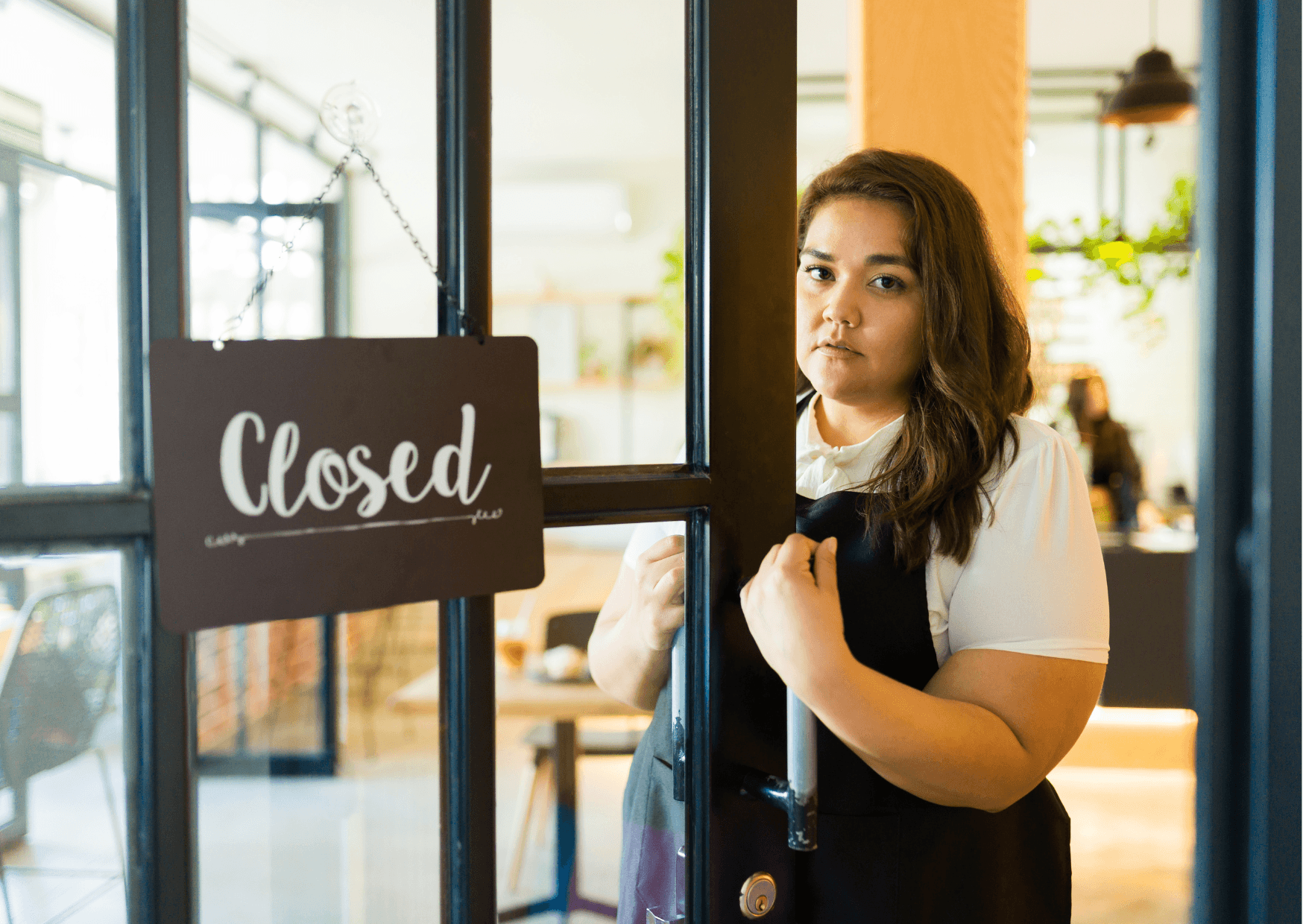
Singapore’s food culture is often described as resilient, diverse and central to national identity. Yet beneath the vibrancy, an uncomfortable shift is taking place: small eateries are closing at a rate the country has not seen in years. While the CNA Insider report highlights rising rent, manpower shortages and competitive pressures as immediate triggers (CNA Insider, 2025), the deeper story is not just about F&B. It is about the changing reality of small business survival in Singapore.
This article takes the issue beyond the restaurant world. What is happening to eateries today may soon affect other small businesses tomorrow. And the question becomes: how can Singapore continue to nurture entrepreneurship when structural challenges are accelerating?
A New Reality for Small Business Survival
The environment is shifting faster than small businesses can adapt
The CNA report notes that more than 3,000 F&B businesses shut down in 2024, the highest number in nearly two decades (CNA Insider, 2025). While rent was a major factor, the real problem is velocity. Costs are rising faster than businesses can adjust their pricing, operational models or customer acquisition strategies.
This speed gap affects more than eateries.It impacts tuition centres, wellness studios, boutique retailers and micro-entrepreneurs who operate in cost-sensitive environments.
Operational fragility is more common than we think
Many consumers assume that established eateries operate comfortably. In reality, most SMEs run on thin margins and lean manpower. Across sectors, operational fragility looks similar:
- One staff resignation disrupts workflow.
- One month of lower footfall impacts cashflow.
- One unexpected repair erases an entire quarter’s profit.
These patterns show how vulnerable small enterprises remain despite their importance to the economy.
Consumer behaviour has moved on, but not all businesses have kept up
According to the CNA piece, regular customers who once visited several times a week now dine out only monthly (CNA Insider, 2025). But the underlying issue is broader: Singaporeans are more selective with spending, more digital in discovery and more fragmented in habits.
For all SMEs, not just F&B:
- Discovery now happens online first.
- Customers compare faster.
- Loyalty is thinner.
- Spending is distributed across more options.
Small businesses that cannot adapt their visibility or offerings risk being overlooked, even if their products are excellent.
Competition is no longer local
Chains and well-capitalised brands are expanding aggressively, and digital platforms have created an environment where micro-brands, home-based businesses and online retailers compete in the same demand pool.
In many ways, every business is competing with everything:
- A meal competes with food delivery.
- A fitness studio competes with at-home apps.
- A boutique competes with e-commerce giants.
The more competitive the field becomes, the narrower the margins for independent operators.
The Human Side of Closures
While data and economics dominate the conversation, the emotional cost is significant.
Owners interviewed by CNA spoke about losing long-time staff and family legacies (CNA Insider, 2025). In Singapore’s broader SME community, similar sentiments echo. Behind every closure is:
- a family’s savings,
- years of personal sacrifice,
- relationships built with customers,
- and the weight of feeling like hard work was not enough.
The human cost is invisible but profound. Communities lose gathering spaces. Neighbourhoods lose identity. Owners lose livelihoods and, sometimes, confidence to try again.
The Larger Implication: What Happens When Small Businesses Shrink?
If closures continue at this pace, Singapore may face long-term effects:
1. Reduced diversity in neighbourhoods
Independent eateries and shops give neighbourhoods their character. Without them, urban spaces risk becoming homogenous.
2. Lower barriers for corporations but higher barriers for individuals
Large companies can absorb shocks. Individuals cannot.
3. Decline in first-time entrepreneurship
If owning a cafe, shop or micro-business feels unattainable, fewer young Singaporeans may pursue entrepreneurship.
These consequences extend beyond the F&B sector. They shape the entrepreneurial fabric of Singapore.
Key Questions About Singapore’s Small Business Closures
1. Why are many small businesses closing in Singapore today
Small businesses are closing because operating costs are rising much faster than revenue. Rent, manpower shortages and supply chain costs have increased, while consumers are more careful with their spending. Most SMEs work with thin margins, so even a small disruption can cause a major financial setback.
2. Is this problem limited to the food and beverage sector
No. The food and beverage sector shows the issue most clearly, but the same pressures affect retail shops, wellness studios, tuition centres and micro businesses. Any company with high fixed costs or reliance on manual labour faces similar challenges.
3. What does this trend mean for the future of small businesses in Singapore
If closures continue, Singapore may see fewer independent neighbourhood shops, more dominance by large corporations and fewer young entrepreneurs starting new ventures. The long term impact is a less diverse and less resilient small business ecosystem.
4. How does SMEsure help small businesses stay resilient in this environment
SMEsure helps owners protect their business from unexpected disruptions such as equipment breakdowns, injuries and property damage. When a single incident can cause significant financial stress, SMEsure gives businesses stability, confidence and the ability to stay focused on growth rather than unforeseen risks.
Let SMEsure™ handle the risk management for your business. This frees you up to fully focus on your business and dedicate more time to the people who matter most. For more information on how SMEsure™ can support your business, visit us here.
Article Citation: CNA Insider. (2025). Why are so many eateries in Singapore closing? Owners cite rent, manpower, competition.https://www.channelnewsasia.com/cna-insider/singapore-food-beverage-eateries-closing-heritage-brands-rent-manpower-5357526
Share this article:

SMEsure™ is an innovative insurance technology company based in Singapore, focused on transforming how insurance fits into everyday life. By harnessing technology and building strong partnerships, we make insurance accessible and effortless.
Read MoreSubscribe to our newsletter for all the latest updates.
Any feedback or questions? Contact Us.
Follow our socials for quick tips & real-world stories.